
Category: Archive
Student Honored for Courageous 911 Call
Liberty Elementary School recently recognized Kailani for demonstrating exceptional leadership and active citizenship.
When a family member needed emergency assistance, Kailani acted quickly and responsibly by calling 911. Her proactive response and willingness to take initiative during a stressful situation helped ensure safety.
During a special recognition, LES staff and students celebrated Kailani for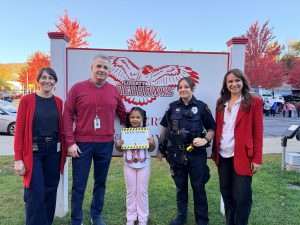 embodying the district’s “First Things First” mindset through her courage, quick thinking and dedication to helping others.
“Kailani’s actions serve as a powerful example of leadership and responsibility,” school officials said. “We are incredibly proud of the maturity and initiative she demonstrated when it mattered most.”
Congratulations, Kailani, on this well-deserved recognition. Your courage and commitment to helping others make the entire Liberty school community proud.
LHS Presents Little Shop of Horrors | Tickets Available Now
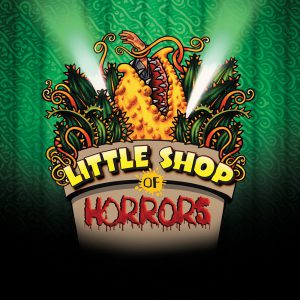
Liberty Performing Arts Presents the Smash Hit Musical Comedy Little Shop of Horrors.
Date & Time: November 6th at 7:00pm & 7th at 2:00pm
Location: Liberty High School — David E Panebaker Auditorium
Liberty Performing Arts is thrilled to announce its upcoming production of the sci-fi smash hit musical Little Shop of Horrors, running November 6th & 7th at the Liberty High School. With a toe-tapping Motown, rock, and doo-wop score by Broadway legends Alan Menken and Howard Ashman, this deviously delicious hit promises a thrilling night out for theatregoers of all ages.
In Little Shop of Horrors, meek floral assistant Seymour Krelborn stumbles across a strange and interesting new plant species. He names it “Audrey II” after his coworker crush, but soon discovers the young plant boasts a craving for a very specific, unconventional diet—blood. As Audrey II grows into an ill-tempered, R&B-singing giant, it offers Seymour sudden fame and fortune, but drags him into a dangerous web of moral compromise and global domination.
“We are so excited to bring this timeless, darkly comedic classic to our local stage. It features an unforgettable score, incredible characters, and a monstrously fun physical production that audiences will love.”
High School Resumes Normal Operations Following Alarm Activation
Today, Oct. 8, at approximately 10:45 am, our smoke alarm system was activated near the High School Cafeteria. The alarm was triggered by a dish washer vent in the kitchen area; there was no actual fire or danger to the building.
In accordance with our safety protocols, all students and faculty evacuated the building quickly and efficiently. At approximately 10:55 am, the building was cleared for reentry, and instructional activities resumed.
We would like to thank our staff and students for their cooperation and for following our evacuation procedures so effectively.
UPDATE: Liberty High School cleared for re-entry
Good Evening,
As you are aware from our previous communication (shared below and via ParentSquare), a small electrical fire occurred earlier today, Oct. 7, at Liberty High School. The Liberty Fire Department has since cleared the building.
Additionally, the district has brought in a company to ensure the impacted areas are safe for student and staff re-entry. Specifically, the company will be cleaning the cafeteria and will be utilizing specialized air purifiers to ensure the safest environment for our students and staff.
Accordingly, Liberty High School will resume its regular schedule.
Warm Regards,
Dr. Patrick Sullivan
Superintendent of Schools
Good afternoon,
We are writing to inform you that a small electrical fire occurred this afternoon at Liberty High School. The Liberty Fire Department was notified and responded immediately. All students are safe, and no students were in the immediate area of the fire.
Students who remain on campus for after-school activities will be transported home on the regularly scheduled 4 p.m. buses. Athletic teams that are currently on campus will remain a safe distance from the building and will be transported home on the 6 p.m. buses.
We appreciate the swift response of emergency personnel and the cooperation of our staff. We will share additional information as it becomes available.
If you have any questions, please contact Liberty High School.
Warm regards,
LMS Promotes Healthy Relationships With FEARLESS!
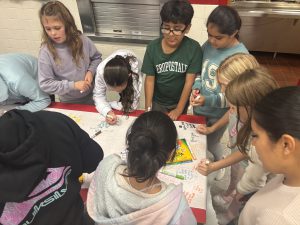
Liberty Middle School students recently participated in Chalk of Love, an initiative focused on raising awareness about teen dating violence, bullying and the importance of healthy relationships. Chalk of Love is part of a national effort tied to Teen Dating Violence Awareness Month, observed each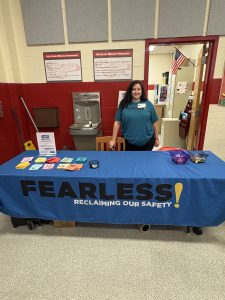 February.
The event marked the first time the initiative was held in the Liberty Central School District through a partnership with FEARLESS!, an organization that works with schools throughout Orange County to educate students about healthy relationships and personal safety.
Student participation played a key role in the event. Students created messages promoting healthy relationships, kindness and positive friendships. Organizers also led discussions about healthy communication, respect and how students interact online. The student-created messages will be displayed throughout the school to reinforce the initiative’s message.
If you or someone you know is experiencing domestic violence, call the National Domestic Violence Hotline at 800-799-7233 for confidential support and resources.
Liberty CSD Honors 2026 SCSBA Award Recipients
Corporal Adam Lake is an exemplary candidate for the Sullivan County School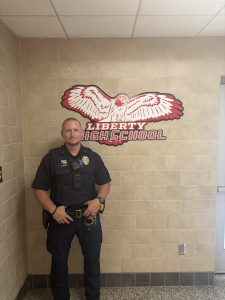 Boards Association Outstanding Friend of the District Award, which honors individuals who have made a significant impact on the education of children in Sullivan County. As Liberty Central School District’s School Resource Officer, Corporal Lake consistently goes above and beyond his duties to support, mentor, and inspire students. A proud Liberty High School graduate, he is deeply committed to giving back to the community that helped shape him. He helps foster a safe, welcoming, and supportive learning environment where students feel valued and encouraged. Beyond the school day, Mr. Lake dedicates his time to coaching district sports teams, where he teaches teamwork, perseverance, respect, and integrity. His compassion and leadership to student success have positively influenced countless young lives and strengthened the entire school community. Through his service and dedication, Mr. Lake has made a lasting difference in the lives of children throughout Sullivan County and is highly deserving of this distinguished recognition.
Tracey Magie is exceptionally deserving of the Sullivan County School Boards  Association Outstanding Educator of the Year Award for her lasting impact on the education of children throughout Sullivan County. For more than two decades, she has served Liberty Central School District in numerous capacities, including teacher, instructional coach, reading facilitator, PTA officer, Building Leadership Team member, and Policy Board member of the Sullivan County Teacher Center. Driven by a deep commitment to students and families, Tracey has been a leader in advancing literacy instruction and promoting evidence-based practices grounded in the science of reading. Her advocacy extends beyond the classroom as she works tirelessly to support educators, strengthen family engagement, and ensure all students have opportunities to succeed. Tracey is also a passionate champion for newcomer students and families, helping them feel welcomed while encouraging academic growth and achievement. Through her leadership, dedication, and countless hours of service, she has helped make Liberty a stronger learning community and has positively influenced the lives of students, families, and educators for generations.
Congratulations to both on this well-deserved recognition. Their service exemplifies the very best of Liberty Central School District, and we are proud to celebrate their extraordinary contributions to education and student success.
Liberty MS/HS Lunch Menus
October 2026
Milk: Fat-free white or fat-free chocolate milk
Daily: Salad bar with dressing packet and assorted fresh or canned fruit
Thursday, October 1
- Baked fish nuggets
- Lemon parsley rice
- Carrot coins
- Tartar sauce or ketchup
Friday, October 2
- Chicken patty on a whole-grain bun
- Calabacitas con elote
- Honey ginger green beans
Monday, October 5
- Korean beef
- Seasoned brown rice
- Sliced cucumbers
- Chow mein noodles
Tuesday, October 6
- Hot ham and cheese on a pretzel roll
- Homemade creamy garlic Dijon dressing
- Tossed romaine salad
Wednesday, October 7
- Assorted whole-grain pizzas
- Plain or assorted toppings
- Homemade balsamic dressing
Thursday, October 8
- Baked seasoned chicken thigh with pita
- Greek garbanzo bean salad
- Tzatziki
- Salad bar with dressing packet
Friday, October 9
- Hawaiian pork
- Seasoned tater tots
- Garlic bread slice
- Broccoli and fortune cookie
Monday, October 12
All districts closed for Columbus Day.
Tuesday, October 13
- Garlic Parmesan Bosco sticks
- Marinara dip
- Fresh broccoli with ranch dip
Wednesday, October 14
- Chicken nuggets with house barbecue sauce
- Herb-roasted potatoes
- Corn muffin
Thursday, October 15
- Beef burrito bowl
- Black bean and corn salad
- Savory seasoned rice
Friday, October 16
- Assorted whole-grain pizzas
- Plain or assorted toppings
- Baby carrots
Monday, October 19
- Beef or cheese burger on a bakery Kaiser roll
- Lettuce, tomato and pickle
- Baked potato wedges
Tuesday, October 20
- Sesame chicken and vegetable bowl
- Seasoned rice
- Honey ginger green beans
- Roasted chickpeas
Wednesday, October 21
- Macaroni and cheese with breadstick
- Peas and carrots
- Garlic toast
- Sour cream
- Steamed broccoli with cheddar cheese
Thursday, October 22
- Chili and baked potato
- Honey ginger green beans
- Sour cream
- Black beans
- Caesar salad
Friday, October 23
- Assorted whole-grain pizzas
- Plain or assorted toppings
Monday, October 26
- Hot dog on a whole-grain bun
- Coleslaw
- Baked beans
Tuesday, October 27
- Popcorn chicken and waffle with hot honey
- Hash brown
- Baby carrots with ranch dip
Wednesday, October 28
- Toasted cheese sandwich
- Tomato soup with oyster cracker
- Caesar salad
Thursday, October 29
- Beef nachos with cheddar
- Lettuce, tomato and salsa
- Sour cream
- Black beans
Friday, October 30
- Assorted whole-grain pizzas
- Plain or assorted toppings
Daily Offerings
- Salad bar with dressing packet
- Assorted fresh or canned fruit
- Fat-free white or fat-free chocolate milk
New York State Graduation Requirements – September 2026
Dear Parents and Guardians,
We are writing to share information regarding a recent announcement from the New York State Education Department (NYSED) and Board of Regents concerning the future of New York State high school graduation requirements.
As part of the state’s NY Inspires initiative, New York is exploring changes to how students demonstrate readiness for graduation and life after high school. At its September meeting, the Board of Regents approved a framework for changes, and additional guidance and regulations are expected later this school year. Until those regulations are formally adopted, all current graduation requirements remain in effect.
It is anticipated that beginning with students who graduate in 2028, New York will transition to a single high school diploma pathway. As part of this change, students will no longer be required to pass a prescribed set of Regents exams as a separate requirement for earning a diploma.
It is important to note that Regents examinations are not being eliminated. They will continue to be administered and remain an important measure of student achievement and mastery of New York State learning standards. While much of the recent discussion has focused on Regents examinations, they are only one component of the broader work underway to modernize New York State’s graduation and assessment system. As part of this effort, New York State is exploring additional ways for students to demonstrate the knowledge, skills, and competencies they develop throughout their educational experience and their readiness for success beyond high school.
What This Means for Students Right Now
For the 2026-27 school year, all current graduation and assessment requirements remain in effect. Students should continue to attend classes regularly, complete all required coursework and credits, prepare for and take Regents examinations as scheduled, and follow their current academic plans.
At this time, there are no immediate changes to student schedules, course requirements, or academic expectations.
Looking Ahead
New York State is gradually moving toward a broader approach to determining student readiness for life after high school. This work is guided by the state’s Portrait of a Graduate, which outlines the knowledge, skills, and qualities students should develop before graduation.
The Portrait of a Graduate identifies six key attributes:
- Academically Prepared
- Creative Innovator
- Critical Thinker
- Effective Communicator
- Global Citizen
- Reflective and Future Focused
These attributes reflect the state’s vision for ensuring all students graduate ready to thrive in a rapidly changing world.
Until any changes take effect, students should continue to follow all existing course, credit, and Regents examination requirements. We will continue to keep families informed as additional guidance becomes available and will approach any future changes with students at the center of our planning and decision-making.
District-Specific Information
As we await further guidance from the New York State of the Department of Education, we will begin the creation of the Liberty Portrait of a Graduate throughout this year’s Strategic Plan Refresh process.
Thank you for your continued partnership and support of our students. If you have questions, please contact questions@libertyk12.org or visit https://www.nysed.gov/ny-inspires for more information.
Sincerely,
Dr. Patrick Sullivan
Liberty High School Hosts Annual Title I Information Meeting
On Thursday Sept. 24, 2026, Liberty High School shared important information with families during its annual Title I Meeting, highlighting the district’s commitment to supporting student achievement and family engagement through federal Title I funding.
Title I is a federal program designed to provide additional educational resources and support to schools serving students from low-income families. The goal is to ensure all students have access to a high-quality education and opportunities to meet challenging academic standards.
During the presentation, families learned that Liberty Central School District received $654,370 in Title I funding for the 2025-26 school year. The funds help support Academic Intervention Services, parent and family engagement programs, resources for students experiencing homelessness, and technology for students residing at Abbott House.
The meeting also highlighted the wide range of academic opportunities available at Liberty High School, including Regents-aligned coursework, Advanced Placement (AP) classes, college-credit partnerships with Syracuse University, Siena University and Sullivan County Community College, as well as Career and Technical Education (CTE) programs through BOCES.
Families were reminded of the important role they play in their children’s education. The district encourages parents and guardians to participate in family engagement events, parent-teacher conferences, Building Leadership Team meetings, and other opportunities to help shape school programs and support student success.
Families can stay informed through ParentSquare, the SchoolTool Parent Portal and the district website, which provide information on academics, events, student progress, and district news.
For more information about Title I programs and resource opportunities, visit the district website or contact the Liberty High School main office.
View Our District Wide Safety Plan
In accordance with New York State Education Law, Liberty’s District-Wide Safety Plan is available for public viewing and comment until 10/24/2026.
Comments can be sent to questions@libertyk12.org